
Winter Storm Prep for North Carolina Commercial Properties
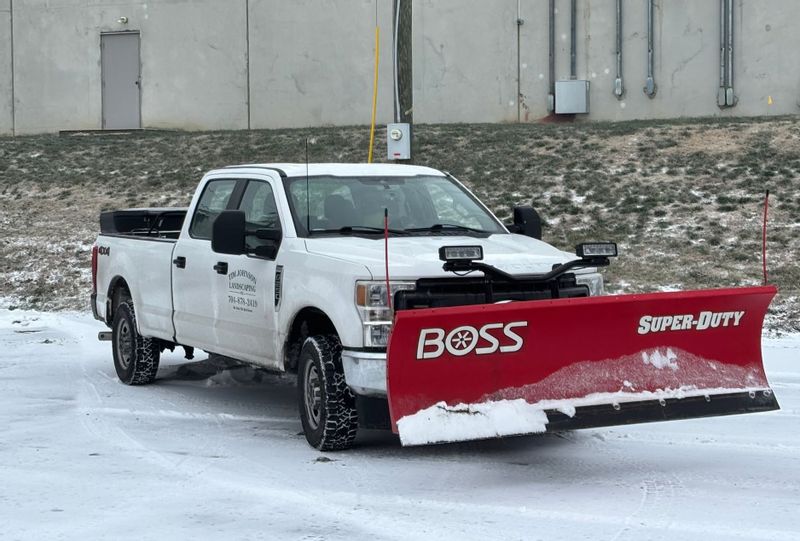
Winter storm prep helps North Carolina commercial property owners and managers prepare for freezing temperatures, ice, sleet and occasional snow. While major winter storms aren't an everyday occurrence in North Carolina, winter weather can still affect your irrigation, drainage, and exterior areas.
In this article, we'll cover:
Why winter storm preparedness matters for North Carolina commercial properties
What to include in your property's storm preparedness plan
How to prepare for ice and freezing conditions
When to begin preparing your property for winter weather
What to expect after a winter storm
Preparing before winter weather is in the forecast gives you time to identify potential vulnerabilities across your property and determine what needs attention.
Why Is Winter Storm Prep Important for North Carolina Commercial Properties?
Winter storm prep is important because even an occasional North Carolina winter storm can disrupt how people access and use your commercial property. Ice, freezing temperatures, and snow can create hazardous conditions, damage exterior infrastructure, and leave you dealing with problems that require immediate attention.
When you're prepared, you can reduce those risks and respond more efficiently when winter weather does arrive. You know which areas of your property are most vulnerable, what needs to be protected and who is responsible for taking action.
Without a plan, you're more likely to make those decisions after conditions have already deteriorated. That means unexpected damage, limited property access, urgent service needs, and greater disruption for your tenants.
Winter storms may be infrequent in North Carolina, but preparing for them helps you protect your property and keep it functioning when they do happen.
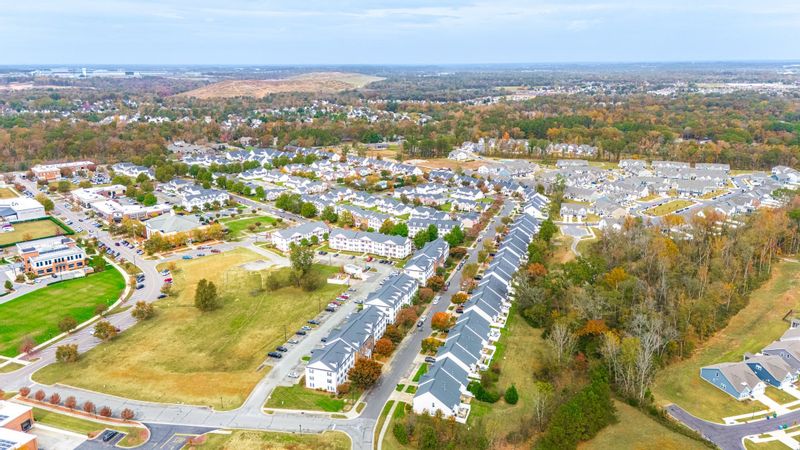
What Should Be Part of Your Commercial Property's Winter Storm Preparedness Plan?
Your winter storm preparedness plan should account for the parts of your commercial property most likely to be affected by freezing temperatures, snow, and ice. That includes your trees and plant material, irrigation system, drainage and stormwater areas, and frequently used exterior spaces.
Area to inspect | What to look for before winter |
Trees and plant material | Dead or damaged branches that could break under the weight of ice; weak or declining trees and shrubs; cold-sensitive plant material; aging or declining landscaping. |
Irrigation system | Exposed components that could be affected by freezing temperatures; existing leaks or damage; seasonal preparation that needs to be completed before the first freeze. |
Drainage and stormwater areas | Standing water; low spots where water regularly collects; recurring drainage problems; stormwater areas with maintenance concerns that could prevent water from moving as intended. |
High-traffic exterior areas | Building entrances, sidewalks, pedestrian routes, steps, parking areas and other access points where snow or ice could affect how people move through the property. |
While all of these areas matter during winter weather, freezing rain requires additional planning because accumulating ice can affect both your landscape and access throughout the property.
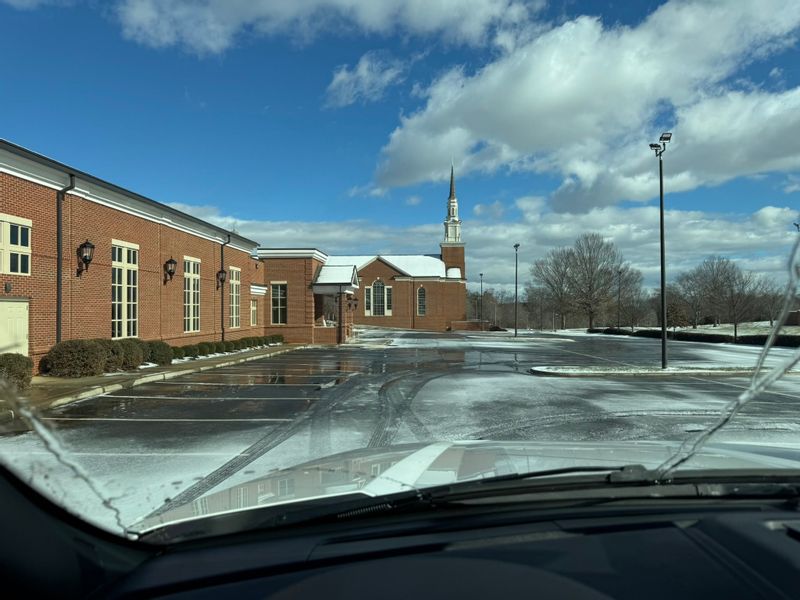
Ice Storm Preparedness for North Carolina Commercial Properties
Ice storm preparedness requires you to plan for the specific effects of freezing rain and accumulating ice on your commercial property. Unlike snow, freezing rain can coat trees, walkways, parking areas and other exterior surfaces with ice, creating concerns for both your landscape and property access.
When freezing rain is in the forecast, focus on:
Trees near buildings and high-traffic areas: Pay particular attention to weak, dead or damaged branches near entrances, walkways, parking areas and structures where ice accumulation could increase the risk of falling limbs.
Pedestrian routes: Identify entrances, sidewalks, steps and ramps where accumulating ice could affect how people safely access your property.
Parking and vehicle access: Account for parking areas, entrances and other vehicle routes that could become difficult to navigate as ice accumulates.
Areas prone to refreezing: Pay attention to places where water drains, collects, or runs across paved surfaces, since falling temperatures can cause these areas to freeze or refreeze.

When Should Property Managers Start Winter Storm Prep?
You should start winter storm prep well before freezing temperatures or winter weather appears in the forecast. September is a good time to begin planning, giving you time to address maintenance needs and coordinate with your team and service providers before colder weather arrives.
Your preparation should continue as winter approaches:
Early fall: Walk the property, identify work that needs to be completed before winter, and determine who will be responsible for it.
Before the first freeze: Confirm that seasonal maintenance and preparations are complete and address anything still outstanding.
Throughout the winter: Keep an eye on changing property conditions and adjust your plan when new concerns arise.
When winter weather enters the forecast: Move from seasonal preparation to your plan for the specific storm and expected conditions.
Starting early gives you time to make thoughtful property decisions rather than trying to coordinate everything once winter weather is on the way.
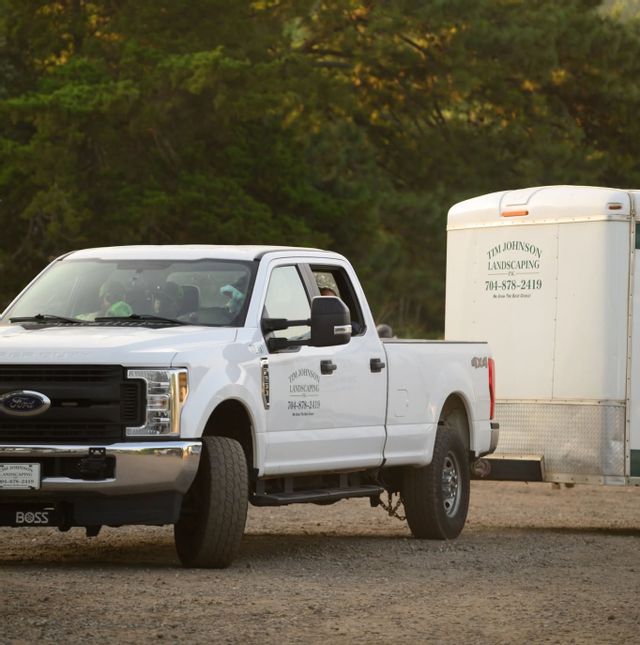
A Winter Storm Is in the Forecast…What Now?
When a winter storm enters the forecast, shift your focus from general winter preparedness to the specific conditions expected at your property. Your response will depend on whether the forecast calls for freezing temperatures, freezing rain, sleet, snow, or a combination.
What to do | Why it matters |
Follow the forecast closely | Monitor timing, temperatures and precipitation type so you can adjust your response as conditions change. |
Prioritize property access | Determine which entrances, pedestrian routes, parking areas and other access points will need the most attention during the storm. |
Coordinate with your team and service providers | Confirm responsibilities, timing and communication before conditions deteriorate. |
Plan for changing conditions | Be ready to adjust your response if temperatures, precipitation or timing differ from the initial forecast. |
Communicate with property stakeholders | Keep tenants, employees and other appropriate stakeholders informed about conditions that may affect property access. |
At this stage, clear communication and defined responsibilities help you respond as conditions develop rather than making decisions on the fly.
Here's What to Expect After a Winter Storm
The storm has passed, and at first glance, it may look like it came through without much damage. But once conditions are safe and you walk the property, you may spot things that need attention that weren't obvious before or during the storm.
Take a closer look for:
Broken or damaged branches: Check trees for cracked, hanging, or fallen branches caused by accumulated snow or ice.
Damaged plant material: Inspect shrubs and other plants for visible signs of cold or ice damage.
Irrigation problems: Look for visible damage to irrigation components that may have occurred during freezing temperatures.
Drainage and stormwater issues: Check for blocked drainage, standing water, and areas where water or ice accumulated during the storm.
Exterior damage: Inspect frequently used exterior areas for damage or conditions that could affect access to the property.
Document what you find and determine which issues require immediate attention and which can be addressed as part of ongoing property maintenance.
Want More Seasonal Landscaping Tips and Practical Advice for Maintaining Your Property?
Sign up for The Green Scene Digest for seasonal landscaping tips, property maintenance guidance, and practical insights to help you plan ahead and care for your commercial property year-round.
FAQs
At what temperature should you prepare your commercial property for freezing conditions?
You should prepare your commercial property when temperatures are forecast to reach 32°F or below. Your winter storm preparedness plan should already be in place so you're ready for potential impacts to irrigation, drainage, landscaping, and exterior access areas.
Does North Carolina get ice storms?
Yes, North Carolina can experience freezing rain and ice storms during the winter. Ice storm preparedness is especially important for commercial properties because accumulating ice can affect trees, pedestrian routes, entrances, parking areas and other frequently used exterior spaces.
When should you start winter storm prep for a commercial property?
You should start winter storm prep before freezing temperatures or winter weather appear in the forecast. Beginning your preparations in early fall gives you time to evaluate the property, complete seasonal maintenance, and coordinate responsibilities before colder weather arrives.
Can freezing temperatures damage commercial irrigation systems?
Yes, freezing temperatures can damage vulnerable commercial irrigation components when water freezes and expands. Preparing your irrigation system before the first freeze can help reduce the risk of damage and unexpected repairs.
Can ice damage trees and commercial landscaping?
Yes, accumulated ice can add significant weight to trees and branches, increasing the risk of cracked or broken limbs. Dead, damaged, or weakened branches may be particularly vulnerable, especially near buildings, parking areas, and pedestrian routes.
What areas of a commercial property are most vulnerable during winter weather?
Trees and landscaping, irrigation systems, drainage and stormwater areas, building entrances, sidewalks, steps and parking areas can all be vulnerable during winter weather. The areas that need the most attention will depend on your property's layout, existing conditions, and whether the forecast calls for freezing temperatures, ice, sleet, or snow.
5.0 (22 Reviews)
Tim Johnson Landscaping
1142 Turnersburg Hwy
Statesville, NC 28625
(704) 878-2419
www.timjohnsonlandscaping.com
Proudly Associated With


%20(5)%20(1).jpg)


