
Summer Lawn Care: How to Identify and Solve Lawn Stress
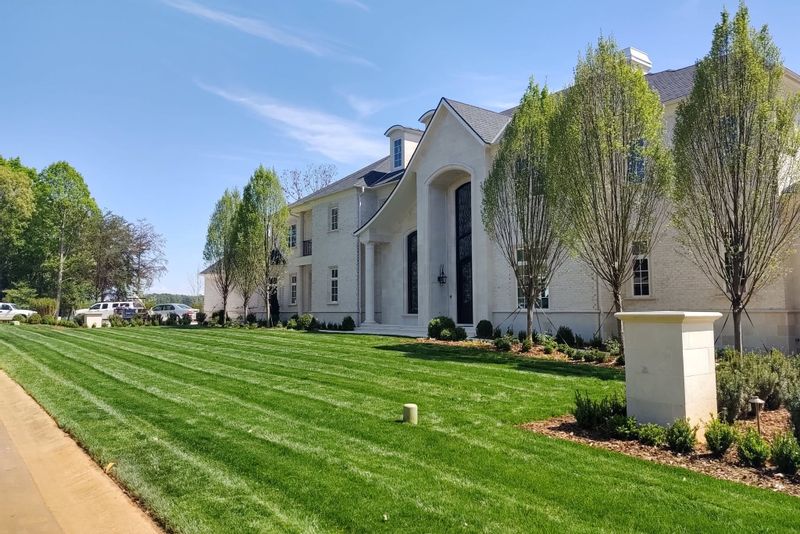
Summer lawn care protects your commercial properties from the damage that extreme heat and humidity can cause. If your lawn has started turning brown this summer, recent extreme weather across Charlotte and Statesville has likely stressed cool-season grasses like tall fescue. Multiple days above 100 degrees, combined with warm overnight temperatures, have pushed these grasses beyond their comfort zone.
Brown grass doesn't always mean your lawn is dying.
In many cases, healthy, established lawns recover when temperatures cool, but heat stress creates conditions that allow diseases like brown patch to develop. Knowing the difference helps you make the right management decisions and avoid unnecessary treatments.
In this article, you'll learn what causes summer lawn stress, how to recognize the difference between heat stress and brown patch, what recovery looks like, and how proactive lawn care helps protect commercial properties throughout North Carolina.
Why Is Lawn Care More Important During North Carolina's Hottest Months?
Lawn care is more important during North Carolina's hottest months because cool-season grasses like tall fescue struggle to recover from prolonged heat and warm overnight temperatures.
Tall fescue—the most common turfgrass on commercial properties throughout the Charlotte and Statesville areas—performs best in cooler weather. During extended periods of heat, the grass continues using stored energy to survive instead of producing healthy new growth.
While daytime highs receive the most attention, warm overnight temperatures create an equally significant challenge. Grass naturally recovers from daytime heat overnight, but when nighttime temperatures remain in the 70s, that recovery slows considerably. Instead of rebuilding energy reserves, the turf continues using them, leaving the lawn weaker each day the heat persists.
Commercial properties often experience even greater stress because lawns must withstand more than the weather alone. Additional factors can accelerate wear, including:
Heavy foot traffic from employees, customers, residents, and visitors wears down the turf and slows its ability to recover.
Heat reflected from parking lots, sidewalks, and buildings raises temperatures around the turf, increasing moisture loss.
Compacted soils limit the movement of water, oxygen, and nutrients to the roots, making it harder for grass to withstand heat.
Routine mowing and daily use require the grass to recover while it is already under environmental stress.
When these conditions combine, even healthy lawns can lose color, thin out, and become more susceptible to disease. Recognizing these seasonal pressures helps you distinguish between expected heat stress and problems that warrant a closer evaluation.
What Is the Difference Between Heat Stress and Brown Patch?
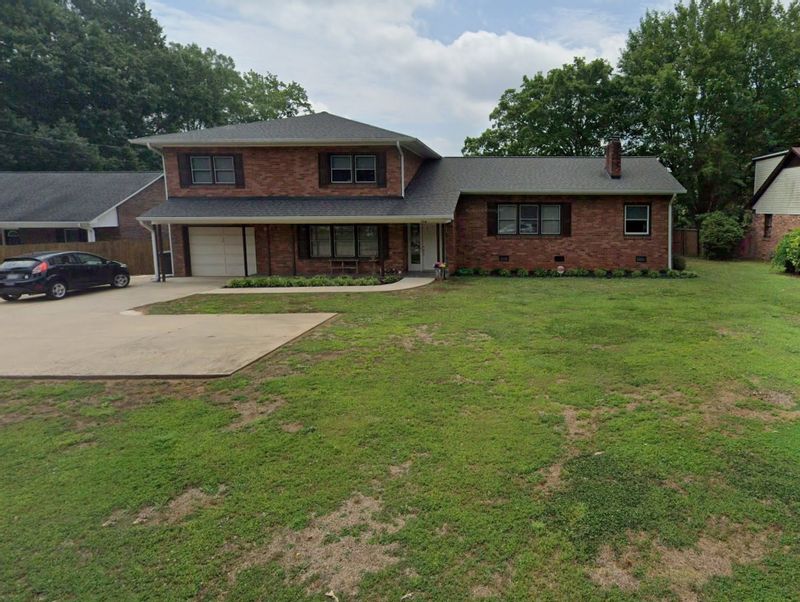
Heat stress causes grass to turn dull, wilt, and thin as it struggles to withstand prolonged heat, while brown patch is a fungal disease that produces circular patches of brown, dead-looking turf. Because both conditions can appear during North Carolina summers, they’re easily confused, even though they require different management approaches.
Heat-stressed lawns struggle because prolonged high temperatures and warm nights force the grass to use more energy than it can replace. Brown patch develops under warm, humid conditions and spreads when moisture remains on the grass for extended periods.
Heat Stress | Brown Patch |
Grass often appears dull, thin, or wilted | Grass develops circular patches of brown, dead-looking turf |
Caused by prolonged heat and environmental conditions | Caused by a fungal disease |
Usually improves as temperatures cool and growing conditions return | Usually requires fungicide treatment to stop the disease from spreading |
Often affects large areas exposed to heat | Commonly appears in distinct patches that can spread over time |
Even during a hot, dry summer, Tom Johnson Landscaping continues to monitor commercial properties for brown patch because warm nights and humidity can still create favorable conditions for the disease. When conditions warrant treatment, the team applies liquid fungicides to help control the disease and protect the long-term health of the lawn.
Because heat stress and brown patch can occur at the same time, a professional evaluation often provides the clearest path forward. Identifying the underlying cause helps you choose the appropriate treatment instead of relying on guesswork.
Will a Heat-Stressed Lawn Recover?
Most heat-stressed lawns recover when growing conditions improve, but the extent of recovery depends on the lawn's overall condition. While brown grass can be alarming, it doesn't always indicate permanent damage. During prolonged heat, lawns slow their growth to conserve energy and resume growing more actively as temperatures moderate.
Lawns with healthy root systems recover more successfully than turf already weakened by soil compaction, disease, or inconsistent maintenance. Newly established lawns may also take longer to recover because their root systems have not fully developed.
Recovery doesn't happen overnight. Depending on the severity of the stress and the lawn's overall health, it may take several weeks for color and density to return. If the lawn continues declining after temperatures begin to moderate, or if large brown areas continue spreading, the underlying cause may be something other than heat stress and should be evaluated.
How Does Proactive Lawn Care Protect Commercial Properties?
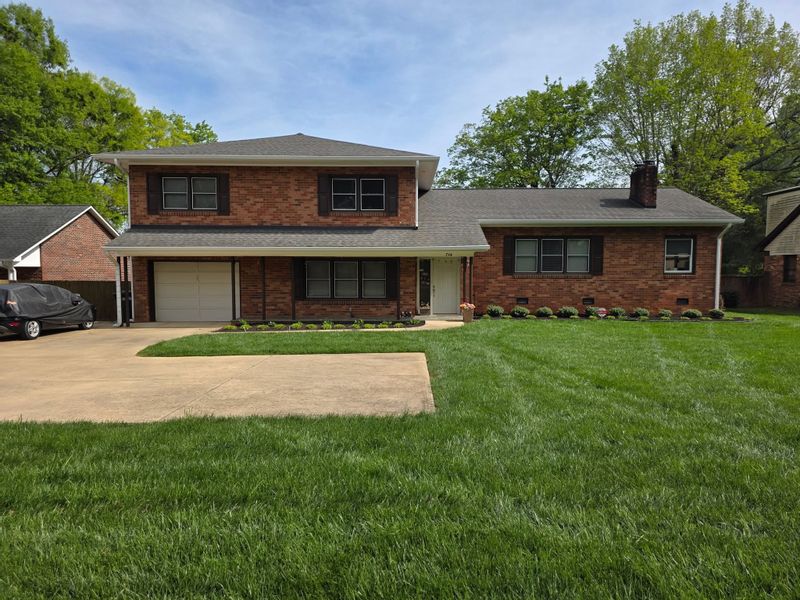
Proactive lawn care protects commercial properties by adapting maintenance to changing conditions throughout the growing season. Regular property evaluations allow your landscape partner to monitor how your lawn responds to weather, identify developing issues, and adjust recommendations based on your property's specific needs rather than following the same maintenance plan every visit.
Throughout the summer, Tom Johnson Landscaping evaluates commercial properties for conditions that may require adjustments, including:
Irrigation performance to identify dry areas, coverage issues, or sprinkler problems that contribute to lawn stress.
Signs of brown patch and other turf diseases so treatment recommendations reflect current disease pressure.
Areas experiencing excessive wear from heavy foot traffic, compacted soils, or heat reflected from surrounding pavement.
Changes in turf health that may require modifications to mowing practices, watering schedules, or other maintenance activities.
Landscape conditions that should be addressed before they become larger or more expensive problems.
Because every commercial property responds differently to summer weather, a proactive approach allows maintenance decisions to reflect actual site conditions instead of a one-size-fits-all schedule.
That way you can make informed decisions, protect the appearance of your property, and address issues before they become more costly to resolve.
Protect Your Commercial Lawn Before Small Problems Become Bigger Ones
If your commercial lawn is showing signs of heat stress, brown patch, or uneven turf performance, don't wait for the problem to worsen. A professional evaluation helps identify the cause and determine the right next steps.
Schedule a property evaluation with Tom Johnson Landscaping. Our team serves commercial properties throughout the Charlotte and Statesville areas and provides recommendations that keep your property healthy throughout the growing season.
Frequently Asked Questions
How do I know if my commercial lawn has heat stress or brown patch?
Heat stress develops when prolonged high temperatures weaken the grass, while brown patch is a fungal disease that requires treatment. Because both can cause brown areas to appear, a professional evaluation can determine the underlying cause and recommend the appropriate solution.
Will my commercial lawn recover after extreme summer heat?
Most established commercial lawns recover when temperatures cool, especially if they have healthy root systems and receive proper fall care. Summer lawn care services like aeration and overseeding help strengthen the lawn and encourage recovery after a stressful growing season.
Can brown patch develop during hot, dry weather?
Yes. Brown patch can still develop during hot, dry weather if humidity remains high and overnight temperatures stay warm. Those conditions create an environment where the disease can become active, even when rainfall is limited.
Why does my commercial property have brown areas when the irrigation system is working?
A properly functioning irrigation system is only one part of maintaining a healthy lawn. Heat stress, compacted soil, heavy foot traffic, disease, and reflected heat from pavement can all contribute to brown or thinning turf, even when irrigation coverage is adequate.
When should I schedule a commercial lawn evaluation?
You should schedule an evaluation as soon as you notice widespread browning, thinning turf, signs of disease, or other changes in lawn health. Identifying the cause early allows problems to be addressed before they become more extensive and helps determine whether your lawn needs treatment or is following a normal seasonal pattern.
5.0 (22 Reviews)
Tim Johnson Landscaping
1142 Turnersburg Hwy
Statesville, NC 28625
(704) 878-2419
www.timjohnsonlandscaping.com
Proudly Associated With


%20(5)%20(1).jpg)


