How to Use a Cost Estimate for Landscaping to Plan Next Year's Property Budget

Why Are Property Managers Requesting Landscape Cost Estimates Earlier?
Commercial property managers are requesting landscape cost estimates earlier because budget planning now begins months before maintenance contracts renew.
Many organizations begin preparing budgets well before the next fiscal year, leaving less time to evaluate property needs, gather pricing, and secure approval for larger projects. Waiting until renewal season often means focusing only on routine maintenance instead of identifying improvements that require additional planning and funding.
An early landscape cost estimate helps you:
Estimate routine landscape maintenance costs to build a more accurate budget.
Identify capital improvement projects before budget decisions are finalized.
Prioritize landscape enhancements based on your property's condition and future needs.
Plan for aging landscapes, irrigation systems, and other infrastructure before they require urgent repairs or replacement.
Give stakeholders time to review and approve projects before the next maintenance season begins.
Scheduling a property walkthrough before budget discussions begin helps you evaluate your property's current condition, discuss long-term goals, and prioritize future improvements. Rather than reacting to problems as they arise, you can build a plan that supports your property's long-term value.
Planning ahead also gives you more time to compare proposals based on the value they provide, not just the monthly price. Looking beyond maintenance costs allows you to evaluate each contractor's approach to long-term planning before making next year's budgeting decisions.
What Should Your Commercial Landscaping Cost Estimate Include?
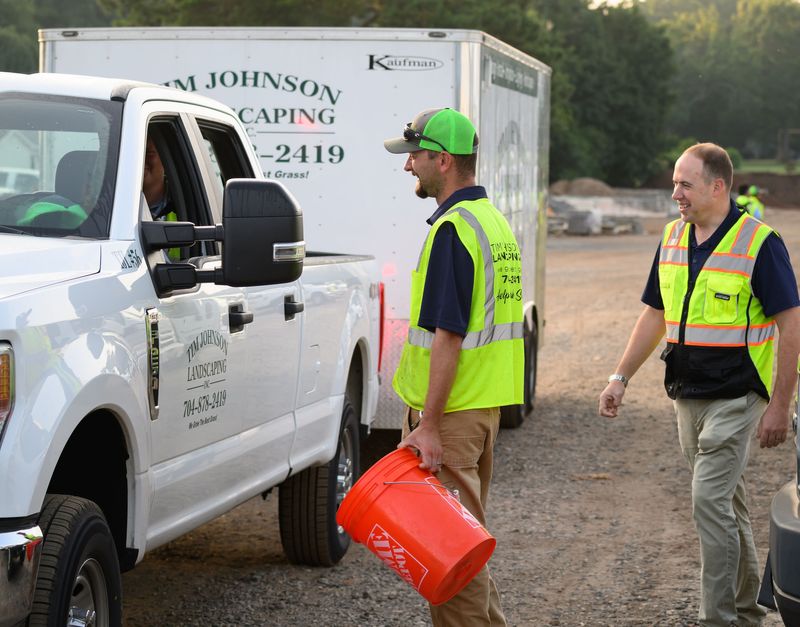
Your commercial landscaping cost estimate should clearly outline the services included, identify recommended improvements, and distinguish between routine maintenance and larger projects.
Understanding what's included in your estimate makes it easier to compare proposals and determine whether a contractor has evaluated your property's overall needs instead of simply pricing routine maintenance.
Routine Maintenance
Routine maintenance includes the recurring services needed to keep your property healthy, safe, and well-maintained throughout the year. Your estimate may include:
Turf mowing and edging
Bed maintenance and weed control
Shrub and tree pruning
Seasonal flower rotations
Mulch installation or replenishment
Irrigation inspections and seasonal adjustments
These services make up your ongoing cost for landscape maintenance and preserve the appearance and health of your landscape.
Landscape Enhancements
Landscape enhancements improve the appearance, function, or performance of your property beyond routine maintenance. Your estimate may include recommendations such as:
Replacing declining shrubs or plant material
Refreshing landscape beds
Installing seasonal color
Improving entrances or common areas
Updating landscape lighting
Addressing drainage concerns
Unlike routine maintenance, these projects are typically completed as needed to improve specific areas of the property.
Capital Improvements
Capital improvements are larger projects that extend the life of your landscape or improve major property systems. A thorough estimate identifies opportunities such as:
Irrigation system upgrades
Smart irrigation controllers and nozzle replacements
Large-scale landscape renovations
Phased plant replacement plans for aging landscapes
Major drainage or erosion solutions
These projects typically require more planning than routine maintenance and are often completed over multiple phases.
A complete landscape cost estimate should clearly identify which recommendations fall into each category so you understand what's included in your maintenance program and which projects require additional planning.
How Can You Compare Landscape Maintenance Pricing?
The best way to compare landscape maintenance pricing is to evaluate the scope of services, level of communication, and proactive support each contractor provides.
Two proposals with similar pricing can offer very different levels of service. One may only cover routine maintenance, while another includes regular property evaluations, recommendations for improvements, and ongoing communication throughout the year. Comparing what's included helps you understand the value behind the price.
When comparing proposals, ask these questions:
Compare | Why It Matters |
What's included in the maintenance program? | Ensures you're comparing similar scopes of work instead of pricing different service levels. |
How often will the property be evaluated? | Regular evaluations help identify issues before they become larger problems. |
Will the contractor recommend future improvements? | Proactive recommendations help you plan enhancements as your property's needs change. |
Does the estimate identify potential capital improvements? | Identifies larger projects that may require additional planning and investment. |
How are additional services and enhancements priced? | Clear pricing helps you understand costs beyond routine maintenance. |
How will the contractor communicate throughout the year? | Consistent communication keeps you informed about your property's condition and recommended next steps. |
Price is only one part of the decision. A detailed cost estimate for landscaping should clearly explain what's included, identify additional recommendations, and give you the information you need to compare contractors with confidence.
What Landscape Improvements Should You Plan Before Budget Season?
You should plan plant replacements, irrigation upgrades, drainage improvements, landscape enhancements, and larger renovation projects before budget season because these improvements often require additional funding and advance planning.
Routine maintenance keeps your property in good condition, but these larger projects typically require more time to evaluate, prioritize, and schedule. Identifying them early helps you determine which improvements should be completed in the coming year and which can be phased over multiple budget cycles.
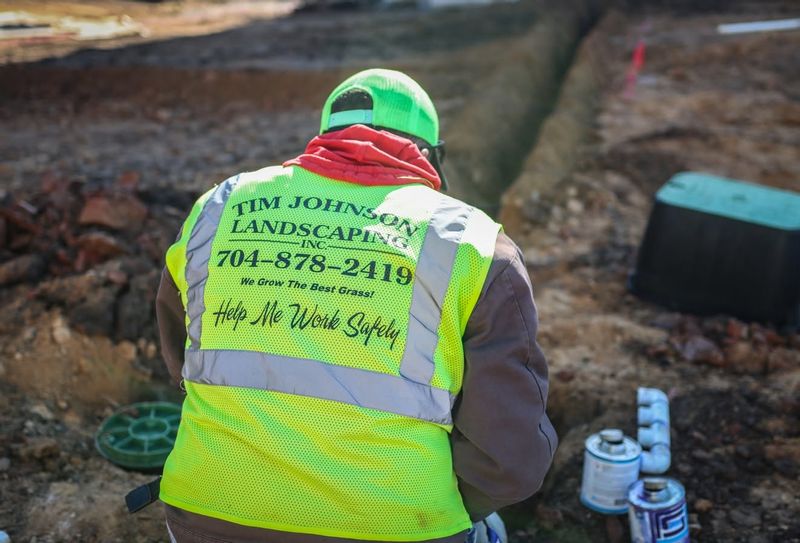
During a property walkthrough, determine if you need:
Plant replacements: Replace mature shrubs, declining trees, and aging landscape beds in phases to maintain your property's appearance and spread costs over time.
Irrigation upgrades: Evaluate aging irrigation systems, worn nozzles, outdated controllers, and inefficient watering schedules that can increase water usage and operating costs.
Drainage improvements: Address standing water, erosion, and poor drainage before they damage turf, plant material, or paved surfaces.
Landscape enhancements: Refresh entrances, planting beds, seasonal color, and landscape lighting to strengthen curb appeal and create a welcoming environment for tenants, customers, and visitors.
Large-scale renovations: Develop a phased plan for major landscape improvements so projects can be completed over multiple budget cycles.
Not every improvement needs immediate attention. Identifying these projects before budget season helps you prioritize work based on your property's operational needs and available funding.
Build Next Year's Landscape Budget with Confidence
The best time to plan next year's landscape budget is before renewal season begins. A property walkthrough helps you identify maintenance needs, prioritize capital improvements, and prepare for future investments before budgets are finalized.
At Tom Johnson Landscaping, we provide more than a cost estimate for landscaping. We evaluate your property's condition and recommend practical improvements that support your budget and long-term property goals.
Ready to start planning for next year?
Schedule a Property Walkthrough
Frequently Asked Questions
How much does commercial landscape maintenance cost?
Commercial landscape maintenance costs vary based on factors such as property size, the level of service required, the number of visits, and the overall scope of work. A professional property walkthrough provides the information needed to develop an accurate estimate based on your property's specific needs.
What affects landscape maintenance pricing?
Landscape maintenance pricing depends on several factors, including the size and complexity of your property, the services included, seasonal requirements, irrigation needs, and any enhancements or specialty maintenance beyond routine care.
When should I request a cost estimate for landscaping?
The best time to request a cost estimate for landscaping is before your annual budgeting process begins. Starting early gives you time to evaluate your property, prioritize improvements, and include both maintenance and larger projects in next year's budget.
What's the difference between landscape maintenance and capital improvements?
Landscape maintenance includes recurring services that keep your property healthy and attractive, such as mowing, pruning, weed control, and seasonal cleanups. Capital improvements are larger projects, such as irrigation upgrades, landscape renovations, drainage improvements, or phased plant replacements, that typically require separate budgeting and long-term planning.
How often should commercial properties review their landscape budget?
Commercial properties should review their landscape budget annually, ideally several months before renewal season. An annual property walkthrough helps identify changing landscape conditions, prioritize future improvements, and prepare for upcoming maintenance and capital expenses.
Why is a property walkthrough important before renewal season?
A property walkthrough helps identify maintenance needs, evaluate the condition of your landscape, and uncover opportunities for future improvements before budgets and contracts are finalized. Planning ahead allows you to make informed decisions, avoid unexpected expenses, and develop a long-term strategy for your property's landscape.
5.0 (22 Reviews)
Tim Johnson Landscaping
1142 Turnersburg Hwy
Statesville, NC 28625
(704) 878-2419
www.timjohnsonlandscaping.com
Proudly Associated With


%20(5)%20(1).jpg)


