Commercial Irrigation Audits in NC: What's Actually Included (and What Isn't)
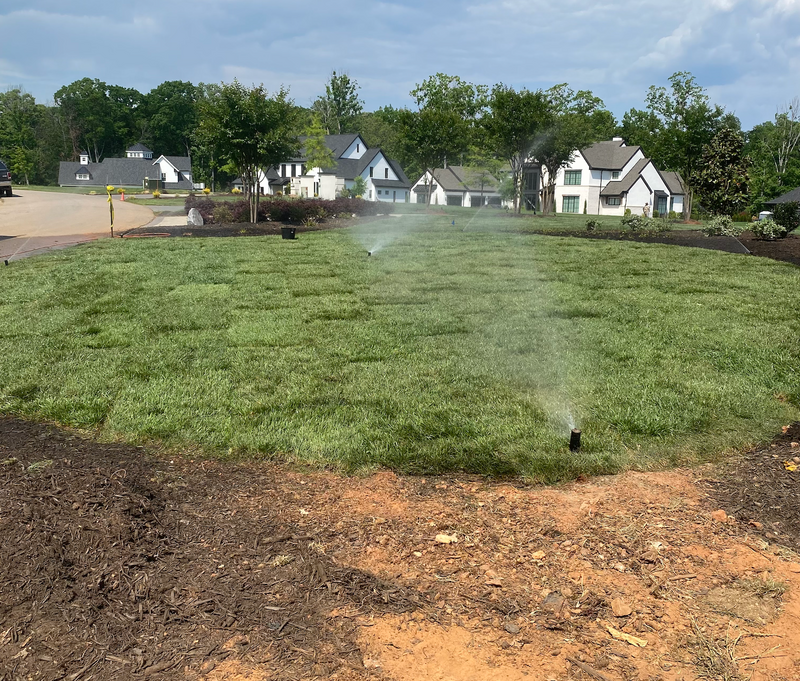
For most commercial properties, the irrigation system is the quiet backbone of curb appeal. When it runs well, no one notices. When it doesn't, the signs show up everywhere: brown patches on the turf, soggy corners near the parking lot, climbing utility bills, and a maintenance crew that keeps reporting "everything looks fine."
For property managers across North Carolina, the difference between a healthy system and a costly one usually comes down to one thing: whether the property is getting a real irrigation audit or just a startup and shutdown. Those are two different services, and the gap is more important than most contracts let on. On multifamily and Class A properties especially, those small slips compound. After all, landscape conditions are among the most overlooked drivers of tenant retention.
What a Commercial Irrigation Audit Actually Is
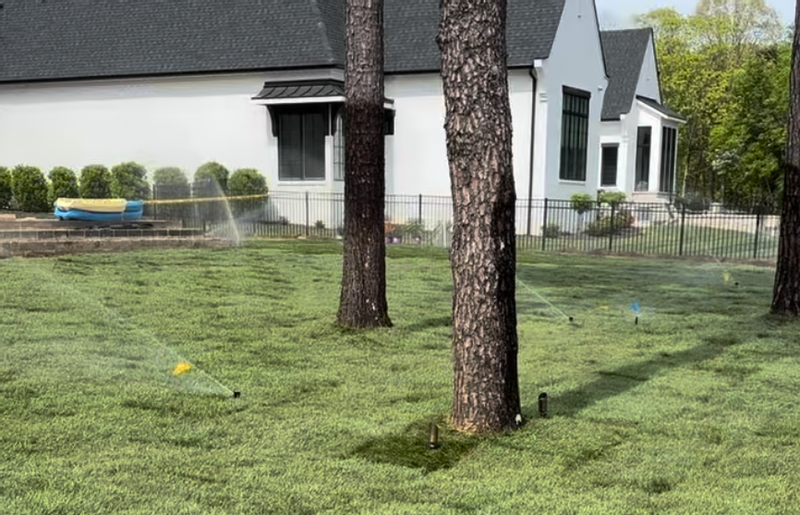
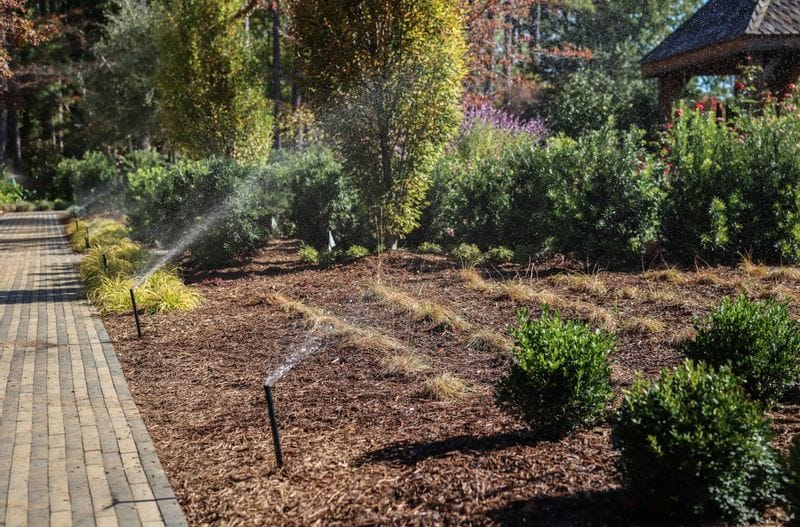
A true irrigation audit is technician-led. A trained irrigation technician runs the system zone by zone with the water on, evaluating head condition, spray patterns, pressure, coverage, controller programming, and run times for every zone on the property. Adjustments happen live, while the system is running, with the tech making calls in the moment.
That is a meaningfully different scope from what most maintenance contracts include. Standard contracts typically cover a spring startup, a fall winterization, and a maintenance crew flagging visible leaks during normal visits. Leak detection is one element of an audit, with the full scope going well beyond it. In a state where drought conditions, summer water restrictions, and rising utility costs are a recurring reality, commercial water conservation has direct budget consequences for property owners and managers.
What a Real Audit Includes
A complete commercial irrigation audit covers:
A zone-by-zone walk-through with the system actively running
Controller programming review and seasonal schedule adjustments
Head replacement, alignment, and spray pattern correction
Pressure and flow checks across every zone
Leak and break detection, both above and below grade
Coverage gap and overspray identification
Smart controller integration where applicable, including platforms like Hunter Hydrawise and Centralis that give clients real-time visibility and remote control over their systems
Written documentation after every visit, including photos, zone-level notes, and recommendations the property manager can forward to ownership or the board
The documentation step is what closes the loop. It turns an invisible service into something a property manager can defend in a budget meeting.
Five Questions to Ask Any Vendor Before You Sign
Most maintenance proposals include the phrase "irrigation inspection included." That phrase can mean very different things from one vendor to the next. Before you sign, ask:
Who performs the audit: a certified irrigation technician, or the maintenance crew?
How often does it happen? Once at startup, or every month the system is running?
Are zones adjusted and reprogrammed individually, or is the system simply switched on and checked for obvious problems?
Will I receive written documentation with photos after each visit?
How is pricing structured: flat fee, hourly, or not-to-exceed (NTE)?
Clear answers separate vendors who do real audit work from those who fold a brief inspection into a larger contract and call it the same thing.
How Often Should an Audit Happen?
Best practice for commercial properties in North Carolina is a technician-led audit every month that the irrigation system is running. Startups and shutdowns bookend the season, while the months in between are where most of the water savings and most of the avoidable damage live. Turf, beds, weather, and water demand all change through the season. A March schedule looks nothing like a July schedule, and a July schedule looks nothing like a September one.
Properties that adjust monthly use less water and protect more landscape. Properties on a static schedule tend to over-water in spring and under-water at peak summer.
Why NTE Pricing and Documentation Matter
Audit work is difficult to scope perfectly in advance. One month, a property might need two heads replaced. The next, it might need controller reprogramming after a storm knocks the schedule offline. A not-to-exceed (NTE) structure caps the monthly spend so the property manager has budget certainty, while the technician still has room to address what the system actually needs that visit.
What makes NTE pricing work is trust, and trust is built through documentation and proactive updates. That level of transparency is essential to the partnership, which is why we treat communication as the #1 factor in every landscape partnership.
Walk Your System With Us
Healthier landscapes, lower water bills, and fewer surprises in the maintenance budget all start with knowing what's actually happening at the zone level. If you aren't sure what's really being inspected on your property each season, that's worth a conversation.
Request a quote and we'll walk your system with you.
5.0 (22 Reviews)
Tim Johnson Landscaping
1142 Turnersburg Hwy
Statesville, NC 28625
(704) 878-2419
www.timjohnsonlandscaping.com
Proudly Associated With


%20(5)%20(1).jpg)


