
Why Fall Is the Best Time for Planting Trees & Shrubs in NC for Commercial Properties
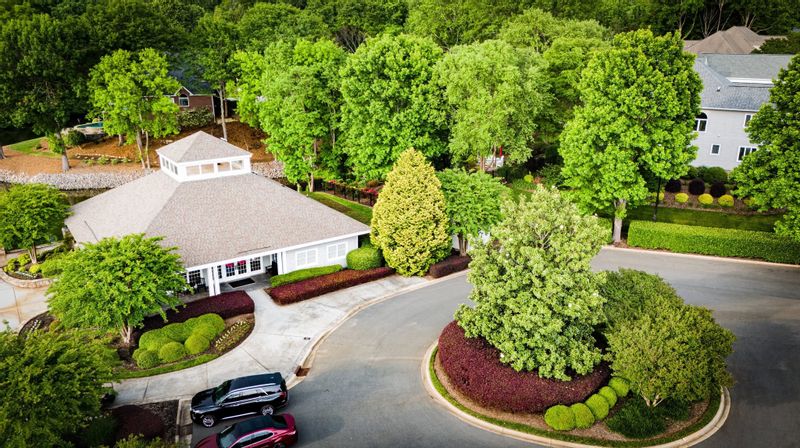
Fall is one of the best times to plant trees and shrubs on commercial properties in North Carolina. Cooler temperatures put less stress on new plantings while warm soil supports root growth, giving trees and shrubs time to establish before summer heat puts them to the test.
Trees and shrubs are a long-term investment in your commercial property. The decisions you make before installation affect how that plant material performs, how often it needs attention, and whether you’re replacing it sooner than expected.
Planting at the right time, choosing plants suited to the site, and preparing the soil properly give them a strong foundation for healthy growth and help your landscape continue looking its best as it matures.
In this article, you’ll learn:
Why fall is the best time to plant trees and shrubs in North Carolina
Why planting at the right time matters for your commercial property
How to choose trees and shrubs that fit your site
Why proper soil preparation and amendments matter
How to plan for installation and care for new plantings
Understanding why fall provides favorable planting conditions is a good place to start.
Why Is Fall the Best Time to Plant Trees in North Carolina?
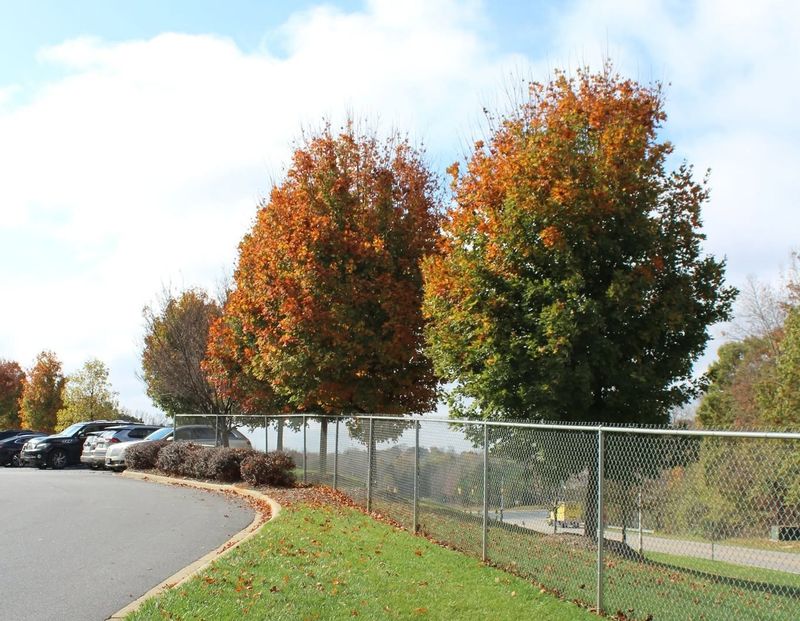
Fall is the best time to plant trees in North Carolina because cooler air temperatures reduce stress on new plantings while the soil stays warm enough to support root growth. These conditions give trees and shrubs valuable time to establish before summer brings higher temperatures and greater water demands.
Fall conditions support establishment in several ways:
Cooler air temperatures: New trees and shrubs experience less heat stress after installation.
Warm soil: Roots can continue developing even as above-ground growth begins to slow.
Lower moisture loss: Cooler conditions reduce how quickly plants and soil lose water.
More time to establish: Roots have fall and the following spring to develop before summer heat arrives.
That early root development gives fall-planted trees and shrubs a head start going into spring and leaves them better established when summer arrives.
The planting window varies based on weather, location, and the type of tree or shrub. Planning ahead for fall allows your landscape provider to consider those site-specific conditions and schedule installation when conditions are favorable.
Why Does Planting at the Right Time Matter for Commercial Properties?
Planting trees and shrubs at the right time helps commercial property managers reduce plant loss, avoid unnecessary replacement costs, and maintain a consistent landscape appearance.
When new plant material fails, the effects can extend beyond the individual tree or shrub. For commercial properties, that can mean:
Unexpected replacement costs. Failed plant material means paying for removal, replacement, and installation sooner than planned.
Gaps in high-visibility areas. Missing or declining plants can affect entrances, building fronts, parking areas, and other spaces people see every day.
More time spent addressing landscape problems. Plant failures create another issue for your team to coordinate, schedule, and monitor.
Delays in the intended landscape design. Trees and shrubs take time to mature, so replacing them can set back the overall development of the landscape.
Choosing the right planting window helps reduce preventable plant loss and the time and expense that come with replacing trees and shrubs before you should have to.
How Do You Choose the Right Trees and Shrubs for a Commercial Property?
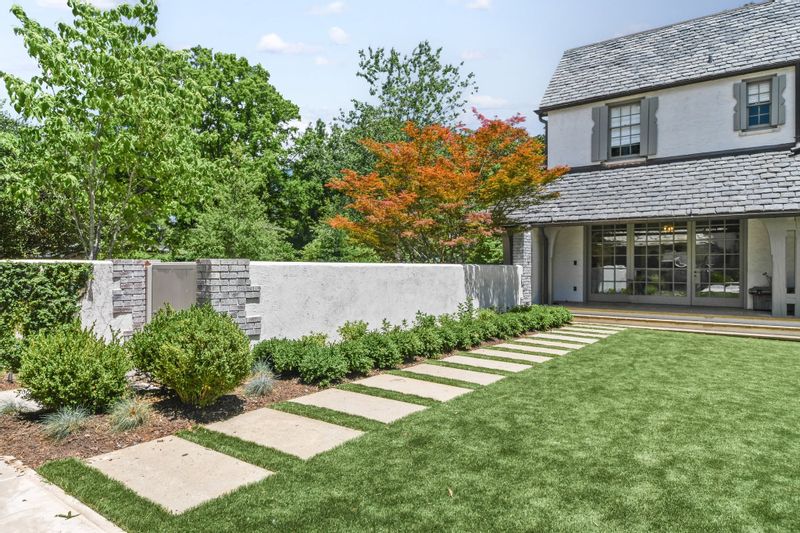
Choosing the right trees and shrubs for a commercial property starts with matching each plant to the conditions where it will grow. A tree or shrub may look right for a space when it's installed, but its long-term success depends on whether the site can support it as it matures.
Before selecting plant material, consider:
Sunlight and drainage: Determine how much sun the area receives and how well water moves through the soil.
Available space: Account for the plant's mature height and width, not just its size at installation.
Nearby infrastructure: Consider buildings, sidewalks, parking areas, utilities, and other features that could conflict with future growth.
Soil conditions: Evaluate the existing soil to determine whether it provides the conditions the plant needs to establish.
Maintenance needs: Choose plants that make sense for the property's long-term landscape and maintenance plan.
Evaluating these factors upfront prevents problems as the landscape matures, from plants outgrowing their space to roots or branches conflicting with sidewalks, parking areas, buildings, or utilities.
The Investment in Your Plants Starts With the Soil
Proper soil preparation directly affects whether newly installed trees and shrubs establish, struggle, or fail. A common problem with commercial plantings is seeing money invested in the plant material without giving the same attention to the soil it has to grow in.
The result can be trees and shrubs that die after installation or stay alive without ever truly thriving.
Before planting, evaluate:
What you're starting with. Existing soil conditions can limit root development and affect how well new plant material establishes.
What the plant needs. Soil preparation should account for the specific trees and shrubs going into the space.
What needs to change. Amendments should address the conditions of that planting area rather than following the same approach across the entire property.
If you're investing in new trees and shrubs, the soil deserves an equal, if not greater, investment. The conditions below ground directly influence how that plant material performs above ground.
Caring for Your Trees and Shrubs After Planting
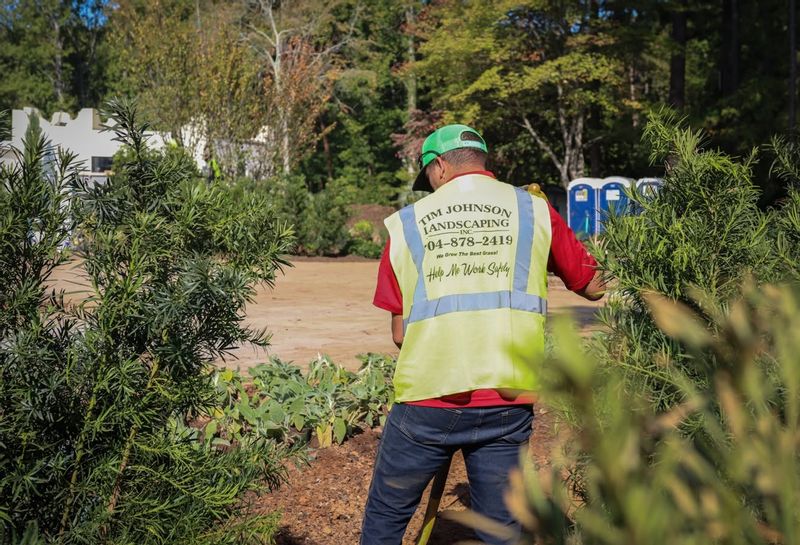
New trees and shrubs need consistent follow-up after installation to establish well and perform as expected. Their care should respond to what’s happening on your property rather than relying on a set-it-and-forget-it schedule.
Pay attention to three areas:
Water according to conditions. Rainfall, soil moisture, drainage, and weather all affect how much supplemental water new plantings need. Monitor conditions and adjust accordingly.
Mulch correctly. Maintain an appropriate layer of mulch around the root zone to help manage soil moisture. Keep mulch away from trunks and stems instead of mounding it around the base.
Stay ahead of problems. Regularly check new plantings for stress, decline, or other changes. Addressing an issue early can prevent a struggling plant from becoming a replacement later.
Proactive care during establishment helps new trees and shrubs become a reliable part of your landscape instead of another problem on your property manager’s list.
Planning Your Fall Planting Project
A clear scope gives property managers a better understanding of what the planting project will involve before work begins, including where the investment is going, what preparation is included, and who is responsible for care after installation.
Start with the specific improvements your property needs, then determine what can realistically be completed within the season.
For example:
Prioritize the work. Identify which replacements or improvements need attention this fall and which can wait for a future phase.
Set a realistic budget. Account for the full project, including plant material, soil preparation, installation, and establishment care.
Confirm the scope with your landscape partner. Make sure everyone agrees on what will be planted, where the work will take place, and what preparation is included.
Coordinate around your property. Consider tenant activity, customer traffic, events, or other scheduled work that could affect installation.
Know what happens after installation. Establish who will monitor and care for the new plantings so those responsibilities are clear from the start.
A defined scope helps keep the project organized and gives property managers a clearer picture of the work, cost, and responsibilities before installation begins.
Want More Seasonal Landscaping Tips and Practical Advice for Maintaining Your Property?
Sign up for The Green Scene Digest for seasonal landscaping tips, property maintenance guidance, and practical insights to help you plan ahead and care for your commercial property year-round.
FAQs
When is the best time to plant trees in North Carolina?
Fall is generally the best time to plant trees in North Carolina. Cooler air temperatures reduce stress on new plantings while the soil remains warm enough to support root growth. Exact timing varies based on local weather conditions, location, and the type of tree you're planting.
Is fall or spring better for planting trees in North Carolina?
Fall is often the preferred time to plant trees in North Carolina because new roots have time to establish before summer heat increases stress and water demands. Spring planting can also be successful, but trees planted in spring have a shorter establishment period before hot weather arrives.
How late in the fall can you plant trees in North Carolina?
The best time to plant trees in the fall depends on weather, soil conditions, location, and tree species. There isn't one cutoff date for every commercial property, so planting decisions should be based on current site conditions rather than the calendar alone.
Do newly planted trees need to be watered in the fall?
Yes. Newly planted trees need adequate moisture as their root systems establish, even during cooler fall weather. Monitor rainfall and soil moisture at your property and adjust supplemental watering as conditions change.
Should you amend the soil when planting trees and shrubs?
Soil amendments should be based on the existing soil conditions and the needs of the trees or shrubs you're planting. Evaluating the soil before installation helps determine what preparation or amendments are appropriate for the site. This gives new roots better growing conditions and helps protect the investment you've already made in the plant material.
5.0 (22 Reviews)
Tim Johnson Landscaping
1142 Turnersburg Hwy
Statesville, NC 28625
(704) 878-2419
www.timjohnsonlandscaping.com
Proudly Associated With


