
Residential Outdoor Lighting: Safety Meets Style for Shorter Fall Days
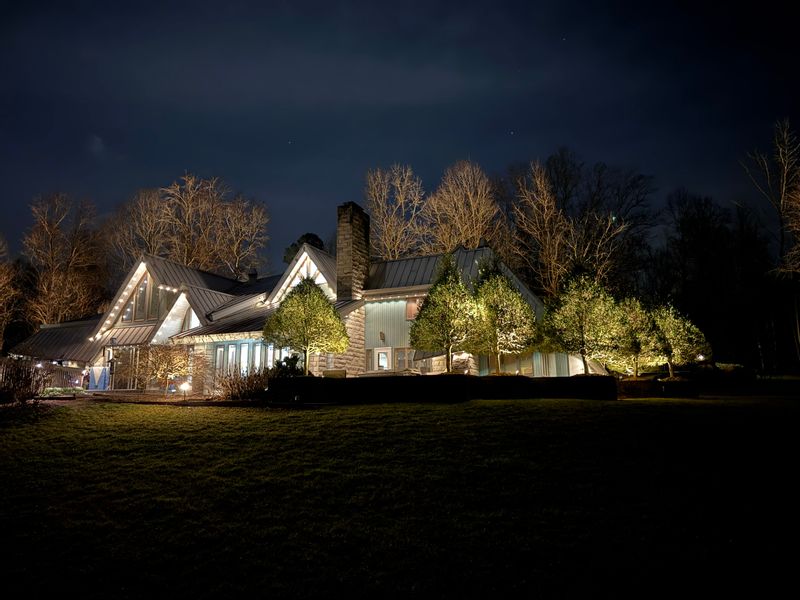
Residential outdoor lighting helps you safely navigate your property after dark while improving security and showcasing your home and landscape. As the days get shorter in fall, a thoughtful lighting plan keeps walkways, entrances, and outdoor living areas visible well after sunset.
A well-designed system considers where fixtures are placed, how much light they provide, and which features they illuminate. When those elements work together, your lighting feels balanced and intentional, complementing your home and surrounding landscape.
In this article, you’ll learn:
How outdoor lighting improves safety and security around your home
What your landscape lighting design should highlight
Why lower-wattage fixtures can create a more balanced look
Where to use outdoor lighting around your property
What to consider when choosing the best outdoor lighting for your home
Here’s what to consider when planning residential outdoor lighting for your property.
Why Outdoor Lighting Matters More as the Days Get Shorter
Residential outdoor lighting matters more as the days get shorter because it keeps the areas around your home visible and usable as daylight hours decrease. In the fall, earlier sunsets mean you’re more likely to arrive home, walk to your front door, or spend time outside after dark.
A thoughtful lighting plan helps you:
Navigate your property safely: Keep frequently used areas visible when natural light is limited.
Improve visibility around your home: See your surroundings more clearly after sunset.
Use outdoor spaces later: Keep patios and other outdoor living areas functional after daylight fades.
Enjoy your property after dark: Extend the time you can comfortably spend outside as the days get shorter.
As you plan for shorter days, consider how you use your property once the sun goes down. Understanding those needs gives you a starting point for creating an outdoor lighting plan that works throughout fall and beyond.
How Does Outdoor Lighting Improve Safety and Security Around Your Home?
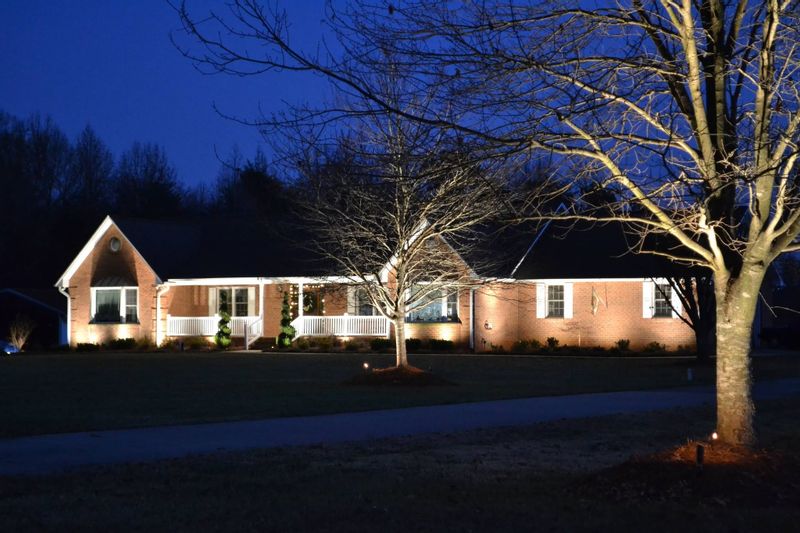
Outdoor lighting improves safety and security by giving you better visibility around your property after dark. Consistent illumination makes it easier to see changes in elevation, potential obstacles, and activity around your home.
A thoughtful lighting plan can help:
Reduce trip and fall risks: Better visibility helps you recognize obstacles and changes in elevation as you move around outside.
Increase awareness: Fewer dark areas make it easier to see what’s happening around your property.
Reduce deep shadows: More consistent illumination prevents large portions of your property from disappearing into darkness.
Make your home feel more secure: Better visibility around the house gives you a clearer view of your surroundings after sunset.
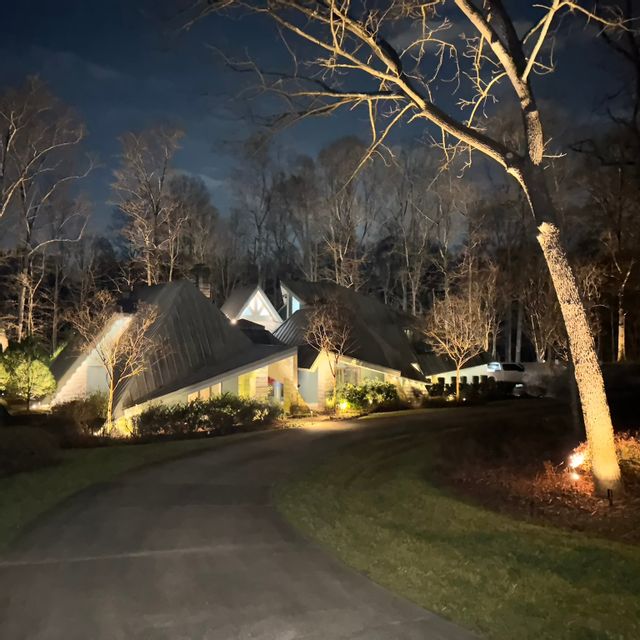
We also consider the house itself when designing for security. Illuminating the structure gives you better visibility immediately around your home and reduces the amount of the house that disappears into shadow after dark.
A well-planned system gives you consistent visibility where you need it, helping you feel more comfortable moving around and enjoying your property after dark.
Where Should You Use Outdoor Lighting Around Your Home?
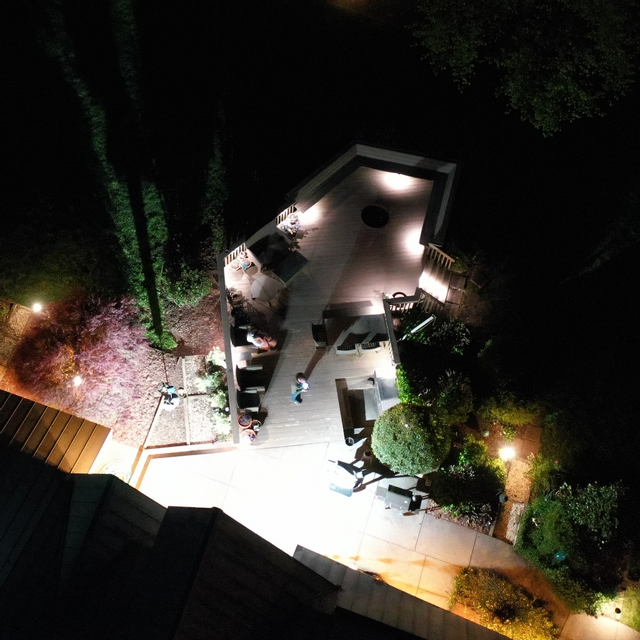
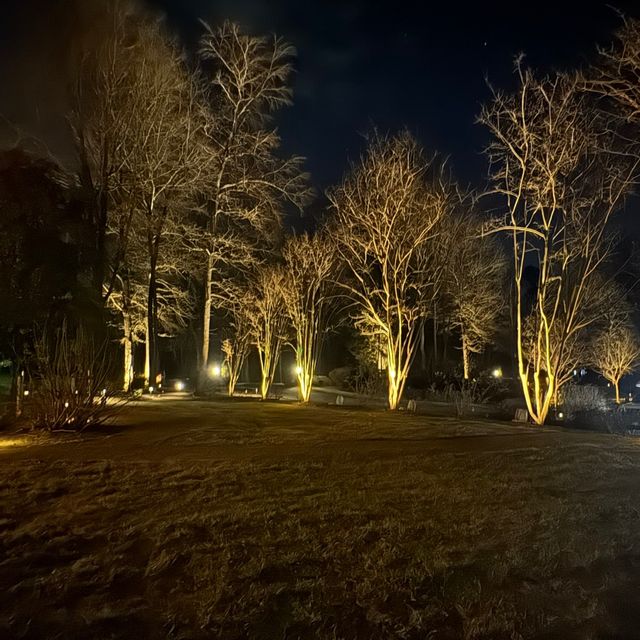
Outdoor lighting works best in areas where it improves how you move through and use your property while bringing attention to the features you want to see after dark. Each area serves a different purpose, so the lighting should respond to how that space functions.
What Is the Best Outdoor Lighting for Your Home?
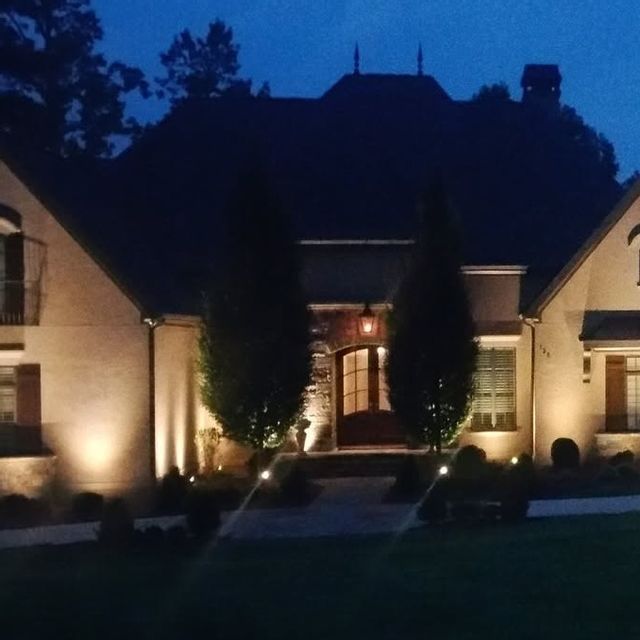
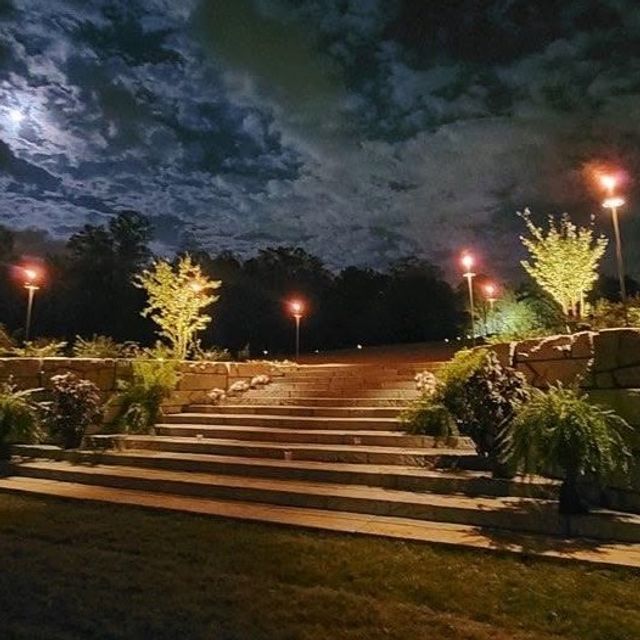
The best outdoor lighting for your home depends on what you’re lighting and how you use that part of your property. Walkways, architectural features, outdoor living areas, and landscape elements each have different lighting needs.
For example, a walkway needs enough illumination to help you see where you’re going, while lighting on the house can bring attention to architectural details. Trees and plantings may call for a different fixture, placement, or light level to add depth without pulling attention away from the home.
We make those decisions in the context of the entire lighting plan.
A fixture may work well for the feature directly in front of it, but we also consider how that light relates to the house, surrounding plants, and nearby illuminated areas. Fixture selection, placement, and light levels all affect how the property reads after dark.
Create Balanced Lighting With More Lower-Wattage Fixtures
Using more fixtures at lower wattages helps create even, balanced lighting across your home and landscape. A few bright fixtures can create stark contrasts, with some areas receiving too much light while others remain in deep shadow.
We typically spread the light across more fixtures so we have greater control over how it’s distributed across the property.
With only a few bright fixtures, you tend to get what we call a “hot and cold” look: one area is heavily illuminated while the area beside it falls into shadow.
Spreading the light across more fixtures gives us greater control over those transitions. Softer, more consistent illumination lets the different areas of your home and landscape flow together after dark without a single fixture or brightly lit area dominating the view.

Our Approach to Professionally Designed Outdoor Lighting
We approach residential outdoor lighting by looking at your home and landscape together. We often see lighting designs that put most of the attention on trees and plants, leaving the house itself in the background.
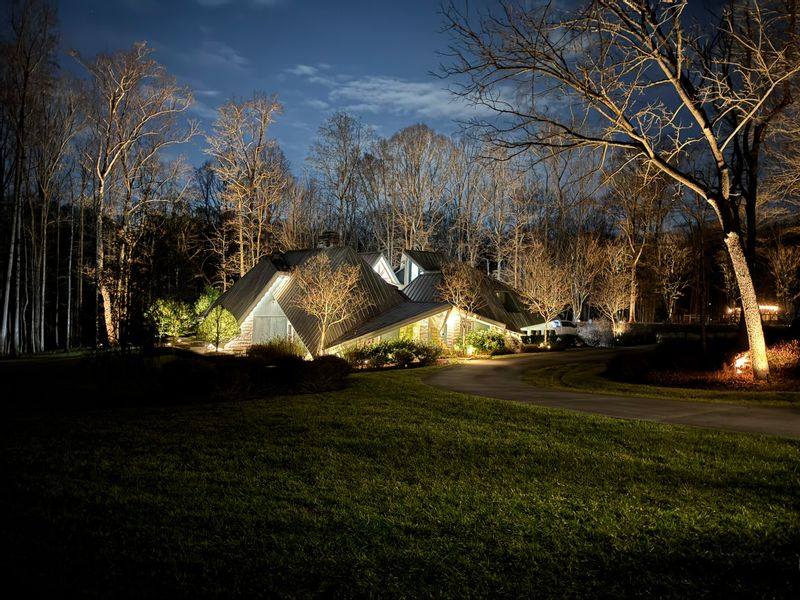
We start with the house because that’s where the primary investment is. From there, we use trees, shrubs, and other plant material to accent the architecture and add depth around it. We want the landscape to support the home, not become the only thing you see when you look at the property after dark.
As we build out the lighting plan, we consider how each element works together, including:
Focal points: We decide what should catch your eye first when you look at the property after dark, starting with the home and using the landscape to support it.
Light levels: We look at how much light neighboring areas receive so one feature doesn’t feel overly bright while another disappears into the dark.
Shadows: We pay attention to where the light stops and shadows begin, especially when one fixture affects how the surrounding areas look.
Function: We consider how you actually move through and use the property after sunset so the lighting works for everyday life as well as appearance.
The overall property: We look at the full view so the house, landscape, and outdoor living areas feel connected after dark.
Our experience as landscapers helps us understand how these elements relate to one another throughout the property. We use that perspective to bring out the features that are already there and create a balanced, polished appearance after dark.
Want More Seasonal Landscaping Tips and Practical Advice for Maintaining Your Property?
Sign up for The Green Scene Digest for seasonal landscaping tips, property maintenance guidance, and practical insights to help you plan ahead and care for your commercial property year-round.
FAQs
What Is the Best Outdoor Lighting for a Home?
The best outdoor lighting for a home depends on the area you’re illuminating, how you use it and what you want the lighting to accomplish. Walkways and steps need functional visibility, while architectural and landscape lighting can highlight your home, trees and plantings. A complete residential outdoor lighting plan coordinates fixture placement and light levels across these different areas.
How Bright Should Residential Outdoor Lighting Be?
Residential outdoor lighting should be bright enough to provide useful visibility without creating harsh contrasts or deep shadows. We often use more fixtures at lower wattages to distribute light more evenly across the property and create smoother transitions between illuminated areas.
Does Outdoor Lighting Improve Home Security?
Yes. Outdoor lighting can improve home security by increasing visibility around the house and reducing dark areas and deep shadows. Illuminating the home along with frequently used areas makes it easier to see your surroundings after sunset.
Where Should Outdoor Lighting Be Placed Around a Home?
Outdoor lighting can be used around entrances, walkways, steps, driveways, patios, outdoor living areas and the exterior of your home. Trees, shrubs and planting areas can also be illuminated to add depth and support the overall lighting design. Placement should reflect how you use your property and which features you want to see after dark.
Why Use Low-Wattage Fixtures for Landscape Lighting?
Lower-wattage fixtures can help distribute light more evenly when they’re used throughout a landscape lighting design. Using more fixtures with less intensity helps reduce harsh contrasts between bright and dark areas and creates a softer, more balanced appearance across the property.
5.0 (22 Reviews)
Tim Johnson Landscaping
1142 Turnersburg Hwy
Statesville, NC 28625
(704) 878-2419
www.timjohnsonlandscaping.com
Proudly Associated With


