
Tree & Shrub Pruning for Commercial Properties in Charlotte: Timing Is Everything
Tree & Shrub Pruning for Commercial Properties in Charlotte: Timing Is Everything
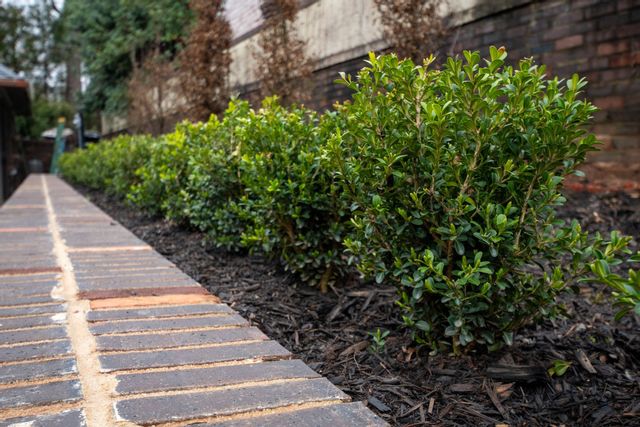
Pruning is one of the most misunderstood aspects of commercial landscape maintenance. Across the Charlotte metro area and throughout the I-40 corridor, the issues we see with multifamily properties, HOA communities, and office campuses aren't caused by a lack of pruning; they're caused by poor timing.
When pruning is done at the wrong time, your property requires more labor, more corrective work, and more budget than it should. Plants grow back too quickly, seasonal color disappears, and you end up in a constant cycle of firefighting instead of proactive management.
At Tim Johnson Landscaping, we treat pruning as part of a comprehensive property strategy not a checkbox on a maintenance contract. Proper timing protects plant health, controls long-term costs, and delivers landscapes that look professional year-round. That approach is built into how we provide commercial landscape maintenance for properties throughout the greater Charlotte region, from Lake Norman to Uptown Charlotte to Winston-Salem.
Why Property Managers Need to Understand Pruning Frequency
One of the most important—and often overlooked—truths about commercial pruning is this:
You cannot evaluate timing without understanding frequency.
How often your property is pruned directly determines when pruning should occur and what type of pruning is appropriate. This matters when you're reviewing proposals, justifying budgets to your board, or evaluating whether your current landscape contractor is doing quality work.
Typical commercial pruning schedules across North Carolina look like this:
2 times per year: December and June
3 times per year: November, May, and August/September
4 times per year: December, April, July, and September
Each of these schedules supports different outcomes. Fewer prunes require more patience and precision—waiting for the right windows. More frequent prunes allow for lighter touch-ups throughout the season, but only when they're properly timed to avoid triggering excessive regrowth.
Here's the critical point for property managers: Trying to "fix" poor timing by adding more pruning visits almost always leads to higher costs and poorer results. We see this frequently with multifamily properties where residents complain about overgrowth in spring, and the board pressures you to add an emergency prune in March, which then creates explosive regrowth by May.
The Universal Pruning Principles Every Property Manager Should Know
While every property and plant palette is different, a few pruning principles apply to virtually all commercial landscapes in the Charlotte region.
Blooming Shrubs Must Be Pruned After Blooming
This is the #1 reason we see properties lose their seasonal color.
Flowering shrubs like azaleas, loropetalum, and spireas set their flower buds months before they actually bloom. This process, known as bud-set, is crucial because pruning these plants too early can remove all the buds, leading to a loss of flowers. Ensuring buds have fully developed before pruning ensures that your landscape's vibrancy is preserved.
What this means for you: If your landscape contract includes spring-blooming shrubs, your pruning schedule should accommodate post-bloom pruning. That might mean waiting until June for the first major prune, rather than pushing it into April. When boards or residents ask why shrubs "look a little wild" in May, this is the answer: we're protecting the seasonal color you're paying for.
Spring Growth Must Harden Off Before Pruning
In late April and May, many shrubs across the Charlotte area experience a flush of new growth. On properties with 2 or 3 annual pruning cycles, it is critical to allow that growth to harden off before the first prune.
Cutting too early forces the plant into rapid regrowth mode, which means:
Another prune is required in just a few weeks
Increased labor costs
Less predictable maintenance budgets
Properties that look overgrown again by mid-summer
What this means for you: If you inherit a property that was pruned in early April and looks overgrown again by June, the contractor likely pruned before spring growth hardened. This is a vendor execution issue, not a "shrubs grow too fast" issue. Proper timing eliminates this cycle.
Late-Season Pruning Requires Precision
Late-season pruning (August through October) should only happen when one of two conditions is met:
It's early enough in the season for new growth to harden off before the first frost, or
Growth has fully stopped, and the plant is entering dormancy
Pruning in the window between these two creates stress, encourages weak late-season growth, and leaves plants vulnerable going into winter. This is especially important for Class A office parks and medical campuses in the Charlotte area, where appearance matters year-round.
What this means for you: If you're looking at contracts that include September pruning, verify with your vendor that they're timing it based on local weather patterns and growth cycles, not just calendar dates.
Why Dormant Pruning Protects Your Property Investment
Dormant season pruning performed from December through February in North Carolina is the foundation of a healthy, manageable commercial landscape.
When plants are dormant, professional crews can:
Correct structure: Remove crossing branches, dead wood, and poorly formed growth
Thin canopies: Improve airflow and reduce disease pressure on properties with dense plantings
Raise canopies for safety: Improve sightlines for parking lots, entrances, and pedestrian areas
Reduce size without triggering aggressive regrowth: Unlike spring or summer pruning, dormant pruning allows you to manage scale without explosive regrowth
Trees, in particular, should be pruned while dormant. Dormancy is the best time to limb up or structurally prune trees on office campuses, industrial sites, and retail centers. The second-best time is just before the transition into dormancy in late fall.
Trees should never be pruned during an active flush of spring growth. Additionally, proper pruning cuts—made at the branch collar, not leaving stubs—are essential for long-term health and avoiding decay.
What This Means for HOA and Multifamily Properties
For HOA and multifamily properties throughout Lake Norman, Statesville, and the greater Charlotte region, dormant pruning is your opportunity to:
Address deferred maintenance before the growing season begins
Improve visibility and safety around entries, mailbox areas, and parking
Restore scale to overgrown beds without triggering regrowth that requires another prune by June
Demonstrate proactive property management before the spring leasing season
Dormant pruning improves safety, restores professionalism, and sets your property up for success long before residents and prospective tenants start evaluating curb appeal in spring.
The Problem With Shearing Everything
One of the most common pruning mistakes we see across Charlotte-area commercial properties is the overuse of gas-powered shears.
Some shrubs should never be sheared.
Plants like abelia, distylium, and many broadleaf evergreens are meant to maintain a natural, flowing form. When these plants are repeatedly sheared with hedge trimmers, you create:
Dense outer growth with completely dead, woody interiors
Restricted airflow that increases disease pressure
Loss of the plant's natural beauty and form
Higher long-term replacement costs when plants eventually fail
Selective hand pruning, by contrast:
Preserves the plant's natural structure
Improves light penetration and airflow
Reduces pest and disease issues
Extends the time between pruning cycles—which means lower annual costs for your property
Selective pruning doesn't take longer than shearing when you have experienced crews. It just takes horticultural knowledge.
What this means for you: When evaluating landscape proposals, ask vendors how they prune specific plant types on your property. If the answer is "we shear everything," you're likely looking at higher long-term costs and declining plant health.
Plant Growth Regulators (PGRs): A Strategic Budget Tool When Used Correctly
Plant Growth Regulators (PGRs) are often misunderstood—or oversold as a magic solution. When used correctly, they're not shortcuts. They're strategic tools that can help property managers control costs and improve landscape appearance on large commercial sites.
PGRs can:
Reduce excessive growth on high-maintenance plants
Improve plant appearance and uniformity
Decrease pruning frequency, which lowers annual labor costs
Stabilize long-term maintenance budgets by reducing unpredictable regrowth
Key plants that respond well to PGRs include:
Loropetalum (common in Charlotte-area commercial landscapes)
Ligustrum
Holly
Abelia
The key to success with PGRs is planning. They must be included in the scope of work and budget on the front end—not added mid-season as a reaction to overgrowth.
This kind of proactive planning ties directly into long-term landscape budget management, which we explore in detail here:
How to Build a Commercial Landscaping Budget That Delivers Value All Year
What this means for you: If you manage properties with large loropetalum or ligustrum plantings, ask your vendor about PGR programs during the proposal stage. Done right, they can reduce your annual pruning costs by 15-25%.
How Proper Pruning Supports Tenant Retention and Property Value
Overgrown, poorly pruned landscapes do more than look messy—they send a message about how your property is managed.
To tenants, prospective residents, and visiting executives at office parks, neglected pruning signals:
Deferred maintenance: "What else isn't being taken care of?"
Safety concerns: Overgrown entries and parking areas create blind spots and reduce visibility
Lack of attention to detail: If landscaping is neglected, what about the building systems?
Well-timed, professional pruning keeps multifamily properties, HOA communities, and Class A office parks looking intentional, cared for, and safe. That consistency plays a direct role in tenant satisfaction, renewability, and how prospective tenants or buyers perceive your property.
We see this firsthand across our portfolio of properties throughout the Charlotte region—from multifamily communities in Lake Norman to Class A office parks in Winston-Salem:
How Professional Landscaping Increases Tenant Retention
For retail centers, banks, and hospitality properties, curb appeal is your brand's first impression. Pruning that's poorly timed or inconsistently executed undermines that impression every single day.
Communication Makes or Breaks Pruning Success
Even the best pruning plan fails without clear communication between property managers and landscape vendors.
Successful commercial pruning requires:
Defined expectations: What does "finished" look like? What's acceptable growth between visits?
Clear scope and timing: When will pruning occur, and why those specific dates?
Seasonal planning: Proactive scheduling based on plant growth cycles, not just calendar dates
Ongoing dialogue—not reactive fixes: Monthly site walks and regular updates, not emergency calls when boards complain
When pruning becomes a conversation instead of a checkbox, your landscape performs better, budgets become more predictable, and you spend less time fielding complaints.
That philosophy is core to how we work with property managers throughout the greater Charlotte area:
Why Communication is the #1 Factor in Landscape Partnerships
What this means for you: If your current landscape vendor doesn't proactively explain why they're waiting to prune, or why a specific plant should be handled differently, that's a red flag. Expertise without communication leaves you without the tools to manage boards, residents, or corporate stakeholders.
What to Look for in a Professional Commercial Pruning Partner
Professional commercial pruning is not about cutting more—it's about cutting better at the right time.
A qualified commercial landscape partner should provide:
Plant-specific decisions: Different pruning approaches for different plant types, not one-size-fits-all shearing
Timing based on actual growth cycles: Schedules driven by how plants grow in the Charlotte climate, not arbitrary calendar dates
Selective hand pruning where appropriate: The willingness to hand-prune plants that shouldn't be sheared
Intentional dormant-season structural work: A proactive approach to managing plant health and scale before the growing season
A long-term plan aligned with your property goals and budget: Recommendations that balance curb appeal, cost control, and plant health
When pruning is done correctly and at the right time, commercial landscapes are healthier, easier to manage, and more cost-effective year after year.
If you're unsure whether your current pruning schedule is working with your landscape—or against it—this is where professional guidance makes all the difference.
Questions Property Managers Ask About Commercial Pruning
When is the best time to prune shrubs on commercial properties in Charlotte?
It depends on the plant type and how often your property is pruned. Many shrubs benefit from post-bloom pruning (May-June) and dormant-season structural work (December-February). Climate and growth patterns across the Charlotte metro require site-specific timing.
Why does pruning frequency matter for my landscape budget?
Frequency determines when pruning can safely occur and how aggressive it should be. More frequent pruning cycles allow lighter touch-ups but only when properly timed. Poorly timed pruning forces additional visits, which increases costs.
What is dormant pruning, and why does it matter for my property?
Dormant pruning is performed when plants aren't actively growing (December-February in North Carolina). It allows for structural correction, size reduction, and safety improvements without triggering excessive regrowth or stressing plants.
Can pruning at the wrong time damage plants or my property budget?
Yes. Poor timing can cause excessive regrowth (requiring additional labor), loss of seasonal blooms (reducing curb appeal), and long-term plant stress (increasing replacement costs).
Should flowering shrubs be pruned in spring?
Only after they finish blooming. Pruning too early removes the flower buds and eliminates seasonal color.
Why do shrubs grow back so fast after pruning on my property?
They were likely pruned before spring growth hardened off, or during an active flush of growth. This triggers rapid regrowth and requires additional labor.
Is hand pruning better than shearing for commercial properties?
For many shrubs—especially those meant to retain natural form like abelia and distylium—yes. Hand pruning preserves structure, improves plant health, and extends time between pruning cycles.
What plants should never be sheared on commercial landscapes?
Abelia, distylium, and many broadleaf evergreens should be selectively hand-pruned, not sheared. Shearing destroys their natural form and creates long-term maintenance problems.
When should trees be pruned on office parks, industrial sites, and retail centers?
While dormant (December-February), or just before dormancy in late fall. Trees should never be pruned during active spring growth.
How does proper pruning reduce long-term maintenance costs?
It limits repeat labor from excessive regrowth, improves plant health (reducing replacement costs), and extends the time between pruning cycles—all of which make annual budgets more predictable.
What should I ask landscape vendors about pruning during the proposal process?
Ask how they prune specific plant types on your property, what timing they use and why, and whether they offer Plant Growth Regulators (PGRs) for high-maintenance shrubs. Vendors who can't explain their pruning strategy likely don't have one.
How can I tell if my current landscape contractor is pruning at the right time?
Look for these signs: shrubs that stay well-sized between visits (not explosive regrowth), flowering shrubs that bloom on schedule, and a vendor who proactively explains timing decisions rather than just showing up to "trim everything."
Professional Commercial Landscape Maintenance Across the Charlotte Region
Tim Johnson Landscaping provides comprehensive commercial landscape maintenance—including strategic pruning programs—for HOA communities, multifamily properties, Class A office parks, retail centers, and industrial campuses throughout the greater Charlotte metropolitan area.
From Lake Norman to Uptown Charlotte, Winston-Salem to Statesville, and throughout the I-40 corridor from Hickory to Greensboro, our crews deliver consistent, professional care backed by horticultural expertise and proactive communication.
If your property needs a landscape partner who understands timing, delivers quality, and makes your job easier, let's talk.
Contact Tim Johnson Landscaping to schedule a property assessment and discuss how proper pruning timing can improve curb appeal and reduce long-term costs.
5.0 (22 Reviews)
Tim Johnson Landscaping
1142 Turnersburg Hwy
Statesville, NC 28625
(704) 878-2419
www.timjohnsonlandscaping.com
Proudly Associated With


%20(5)%20(1).jpg)


